Allergy Desensitization in Scottsdale, AZ
Custom homeopathic and isopathic drops, formulated from your own test results, help your immune system react less to the pollen, dust, mold and foods that set it off.
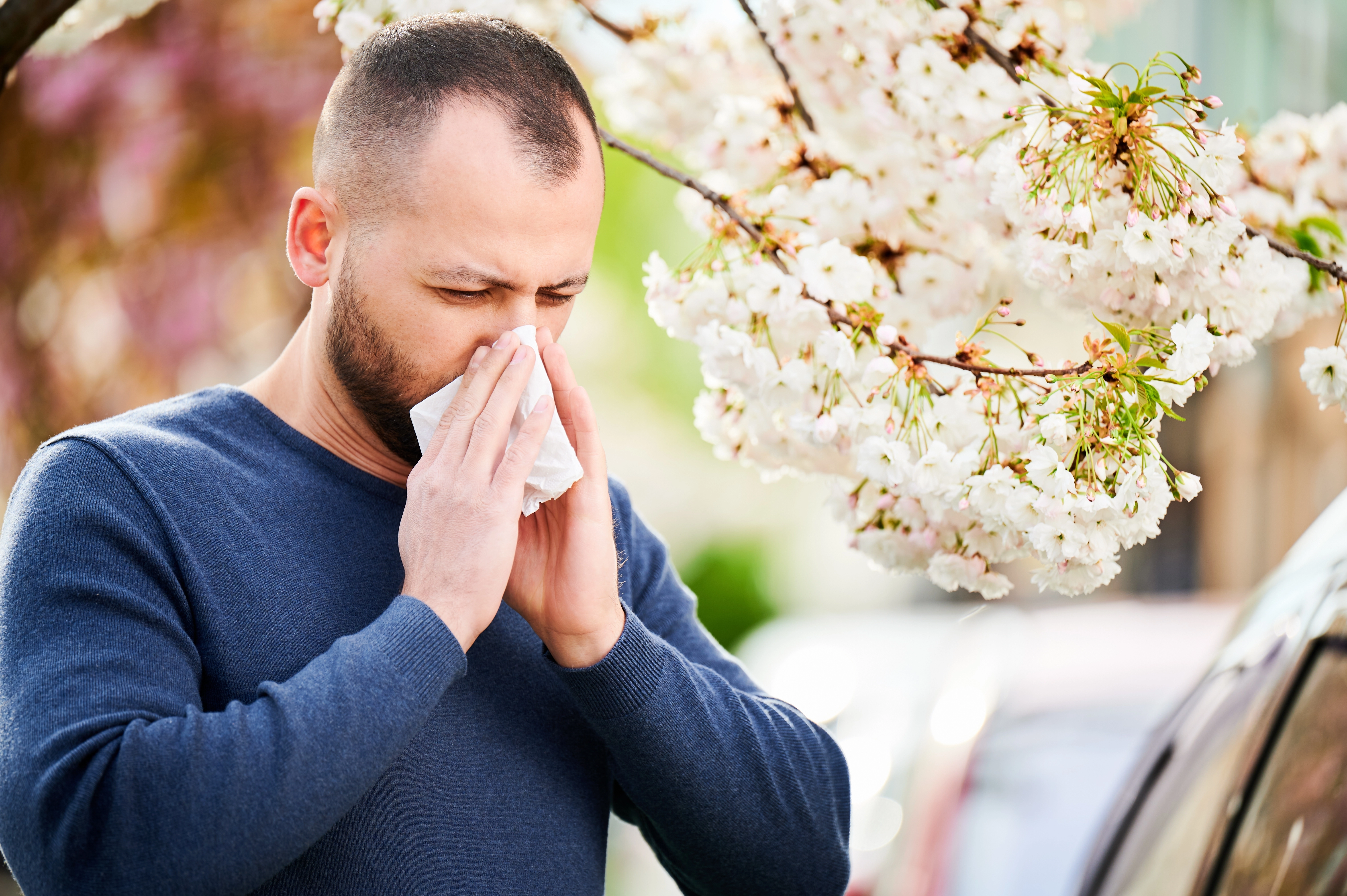
- Integrative physician-led care
- EAV and specialized lab testing
- Environmental medicine PA-C
- Drops, not weekly injections
How Allergy Desensitization Works
An allergy is the immune system treating something harmless, such as mesquite pollen or cat dander, as a threat. Desensitization exposes the body to small, repeated amounts of that trigger so the reaction can settle over time, rather than muting symptoms daily with antihistamines.
We use custom-formulated homeopathic and isopathic drops. Isopathic means they are prepared from the substances you react to, so your formula follows what your testing shows. The drops are taken by mouth, and we adjust the formula as your body responds.

Who Allergy Desensitization Helps
It suits people whose allergies return every season or never fully clear. It is often a good fit if you deal with:
- Desert tree, grass and weed pollen
- Year-round dust, dust mite or pet dander reactions
- Symptoms tied to mold at home or work
- Food sensitivities that show up on testing
- Histamine intolerance alongside your allergies
- Daily antihistamines that no longer keep up
Drops Rather Than Weekly Shots
Conventional immunotherapy often means weekly office injections for years. Our drops are taken by mouth on a schedule we set together, as part of the root-cause approach behind all of our care.
Testing Comes First
Before we prepare your drops, we look for your triggers and for the imbalances that make reactions worse.
Electrodermal Acupuncture According to Voll (EAV) Testing
EAV reads electrical conductance at acupuncture points as specific substances are introduced, helping us see which deserve a closer look.
Customized Blood and Urine Tests
Lab work chosen for your history can show inflammation and nutritional gaps that keep the immune system on alert.
Heart Rate Variability
HRV reflects how your nervous system handles stress, which can influence how strongly you react.
Thermography
Thermal imaging maps heat patterns across the body and can point to areas of inflammation worth investigating.
Nutrition Guided by Your Allergy Testing
When testing flags food reactions, our dietary counseling turns the results into a practical eating plan.
What to Expect From Your Plan
- 1
Consultation
We review your symptoms, seasons, home environment, history and what has or has not worked.
- 2
Targeted Testing
We choose the tests that fit your history, then walk you through the results.
- 3
Your Custom Drops
We formulate homeopathic and isopathic drops around your triggers and explain exactly how to take them.
- 4
Gradual Progress
At follow-up visits we review how you feel and adjust the formula as your response changes.
- 5
Support Around the Drops
We address related factors such as gut health, histamine load, nutrition and mold exposure.
Care That Pairs With Desensitization
Allergies rarely exist on their own, so your plan can draw on other services we offer.
Nutritional Counseling
Eating plans built from your allergy testing and goals.
IV Therapy
Immune support and anti-inflammatory infusions.
Homeopathic and Herbal Care
Remedies chosen for your overall health picture.
Orthomolecular Medicine
Oral and IV vitamins and minerals to correct deficiencies.
Your Allergy Care Team
Two providers bring complementary experience to every desensitization plan.
Dr. Yosef
Integrative PhysicianDr. Yosef treats chronically ill patients with elusive illnesses such as chronic fatigue syndrome and Lyme disease by identifying root causes, imbalances and toxic overload. That approach shapes each allergy plan.
Lina Kay, PA-C, MS
Gastrointestinal Disorders and Environmental MedicineLina has extensive experience with histamine intolerance, mold illness, SIBO/SIFO and IBS, which often overlap with allergies.
Allergy Desensitization Questions
Is allergy desensitization worth it?
For allergies that return every year, it is worth considering because it aims to change how your body responds rather than only covering symptoms. Whether it fits you depends on your triggers and history, which we review at your consultation.
Can desensitization cure allergies?
We do not promise a cure. The goal is a calmer immune response, so reactions become milder or less frequent and you rely less on symptom medication. Results vary from person to person.
Why are allergies so bad in Scottsdale, AZ?
The desert has a long growing season, so trees such as mesquite and olive, grasses and weeds release pollen for much of the year. Wind and dust carry it further, and indoor mold after monsoon storms can add to the load.
Who is not a good candidate for desensitization?
Drops are not a substitute for emergency care. Anyone with a history of anaphylaxis should keep the epinephrine and emergency plan their allergist prescribed. Pregnancy, uncontrolled asthma and some medications also call for extra caution.
How is this different from allergy shots?
Allergy shots inject rising doses of allergen extract, usually at frequent office visits for years. Our drops are taken by mouth, matched to your testing and adjusted as you respond, with no needles.
How soon will I notice a difference?
Desensitization is gradual. Some people notice a change within their first allergy season, while others need longer. We track your progress at follow-up visits and adjust the plan.
What does allergy desensitization cost?
Cost depends on the testing and the formula your plan needs. We go over it with you before treatment begins, so you know what to expect.